Iran Army bolsters combat power with massive drone integration
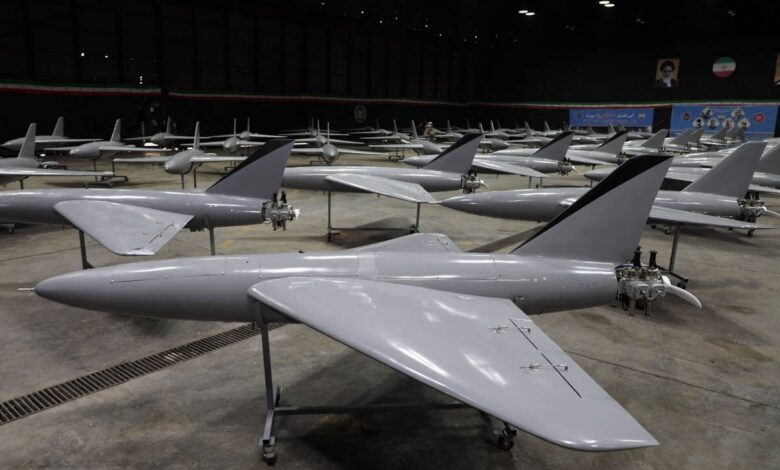
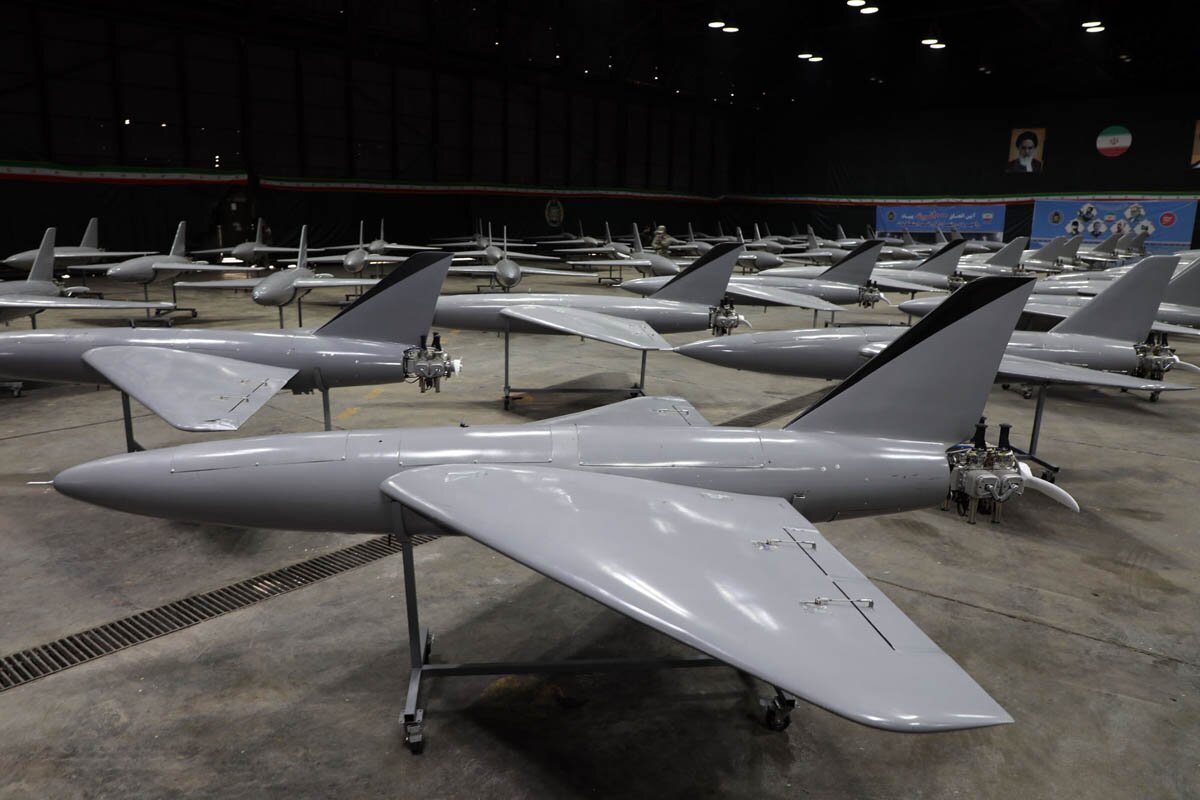
TEHRAN — The Iranian Army (Artesh) has officially integrated 1,000 “strategic” drones into the combat organization of its four service branches.
The massive induction on Thursday, executed under a directive from the Commander-in-Chief of the Army, Major General Amir Hatami, represents one of the largest single additions of domestically produced hardware to the nation’s defense structure in recent years.
The newly deployed fleet includes a diverse array of ground-based and sea-based platforms, encompassing specialized classes for reconnaissance, offensive strikes, destruction, and electronic warfare.
Designed to neutralize both fixed and mobile targets across land, air, and maritime domains, these systems were developed through a high-level collaboration between Army specialists and the Ministry of Defense.
According to a statement released by the Army, the technical specifications of the drones were tailored to counter “modern threats” and incorporate operational lessons harvested from the Israeli-U.S.12-day war against Iran in June 2025.
Speaking at the integration ceremony, Major General Hatami emphasized that the continuous advancement of drone capabilities is a cornerstone of national security.
“In accordance with the threats ahead, maintaining and enhancing strategic advantages for rapid combat and a crushing response to any aggressor has always been on the Army’s agenda,” he stated, according to the statement.
He added that the induction ensures the armed forces remain prepared to deliver a decisive blow to any entity attempting to violate Iran’s sovereignty.
For decades, Iran has cultivated a culture of technological sovereignty, turning the pressure of Western sanctions into a catalyst for innovation.
Today, Iranian drones are globally sought after, recognized by international experts for their precision, cost-effectiveness, and combat-proven reliability.
These systems have effectively dismantled the traditional monopoly held by Western powers, offering an asymmetric advantage that prioritizes strategic impact over exorbitant costs.
The influence of Iranian design has reached a point where even self-proclaimed superpowers are now following Tehran’s lead.
Military analysts have noted that the United States has recently moved to replicate the success of Iranian loitering munitions through programs like “LUCAS” and the “MQM-172 Arrowhead,” which directly mirror the delta-wing configuration and cost-efficient philosophy of the Shahed-131 and Shahed-136 series.
Furthermore, the development of jet-powered variants such as the Shahed-238 has forced Western defense contractors to rethink their interceptor strategies.